

Home / New to camping
You have never camped. Here is the whole thing, in order.
Nine steps, about fifteen minutes to read. What the trip actually looks like, what decides whether it goes well, and which gear each part needs — including the parts where our honest answer is ‘borrow it’ or ‘you do not need that yet’.
1The shape of it
First, the thing nobody tells you: there are two different hobbies
People say ‘camping’ to mean two activities that have almost nothing in common.
Car camping means you drive to a numbered site, park beside it, and unload. Weight does not matter. You can bring a chair, a table, a cooler and a proper pillow. This is what almost every first trip should be, and it is the one this guide is written for.
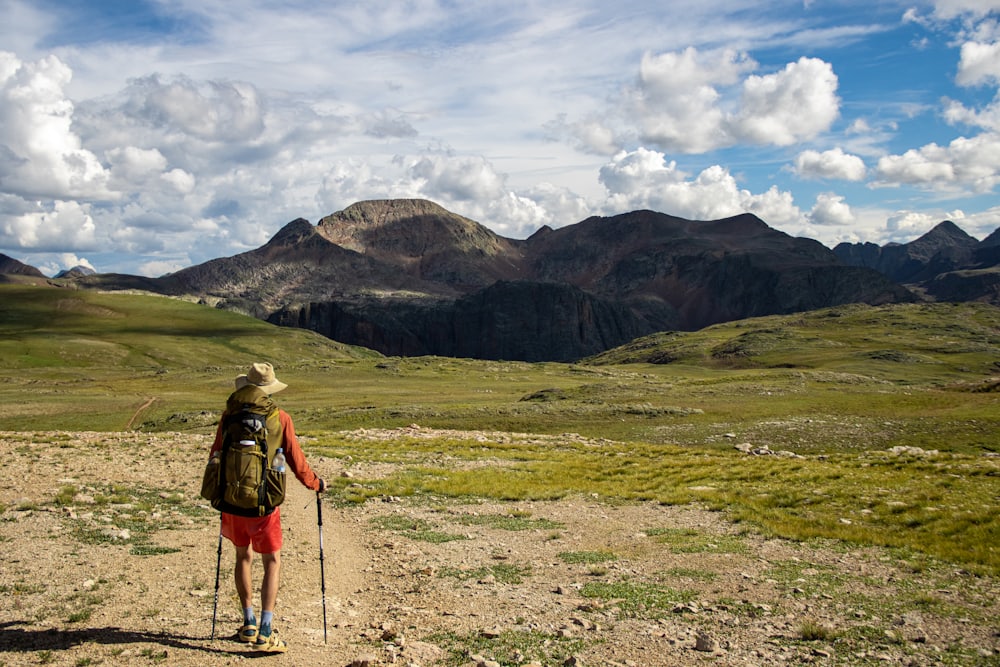
Backpacking means you carry everything on your back to somewhere a car cannot reach. Every ounce is a decision. It is wonderful, and it is not a first trip.
Almost all the intimidating gear advice online is written for backpacking. If you are car camping you can ignore roughly half of it — and the half you can ignore is the expensive half.
Nothing to buy yet
- Read: planning a first trip — the 48-hour weekend, planned backwards

2Step two
Pick the campground for boring reasons, then work backwards from sunset
For a first trip, the campground is the destination. Do not make the drive part of the adventure.
Look for: under two hours from home, drive-up sites rather than walk-in, potable water on site, toilets you can find at 2am, and reservations rather than first-come.
Then set your arrival time and treat it as a hard number. Look up sunset, subtract two hours — that is when you want to be parked. Subtract the drive plus 45 minutes of first-trip friction, and that is when you leave the house.
This one rule prevents more bad first trips than any piece of equipment. Setting up in the dark, with tired people, in an unfamiliar place, is how a hobby dies before it starts.
Do the arithmetic for me
- Use the leave-by planner — calculates sunset and your departure time, further down this page
- How to pick a campsite — five checks before you unpack anything

3Step three
Which tent — and why the number on the box is not the number of people
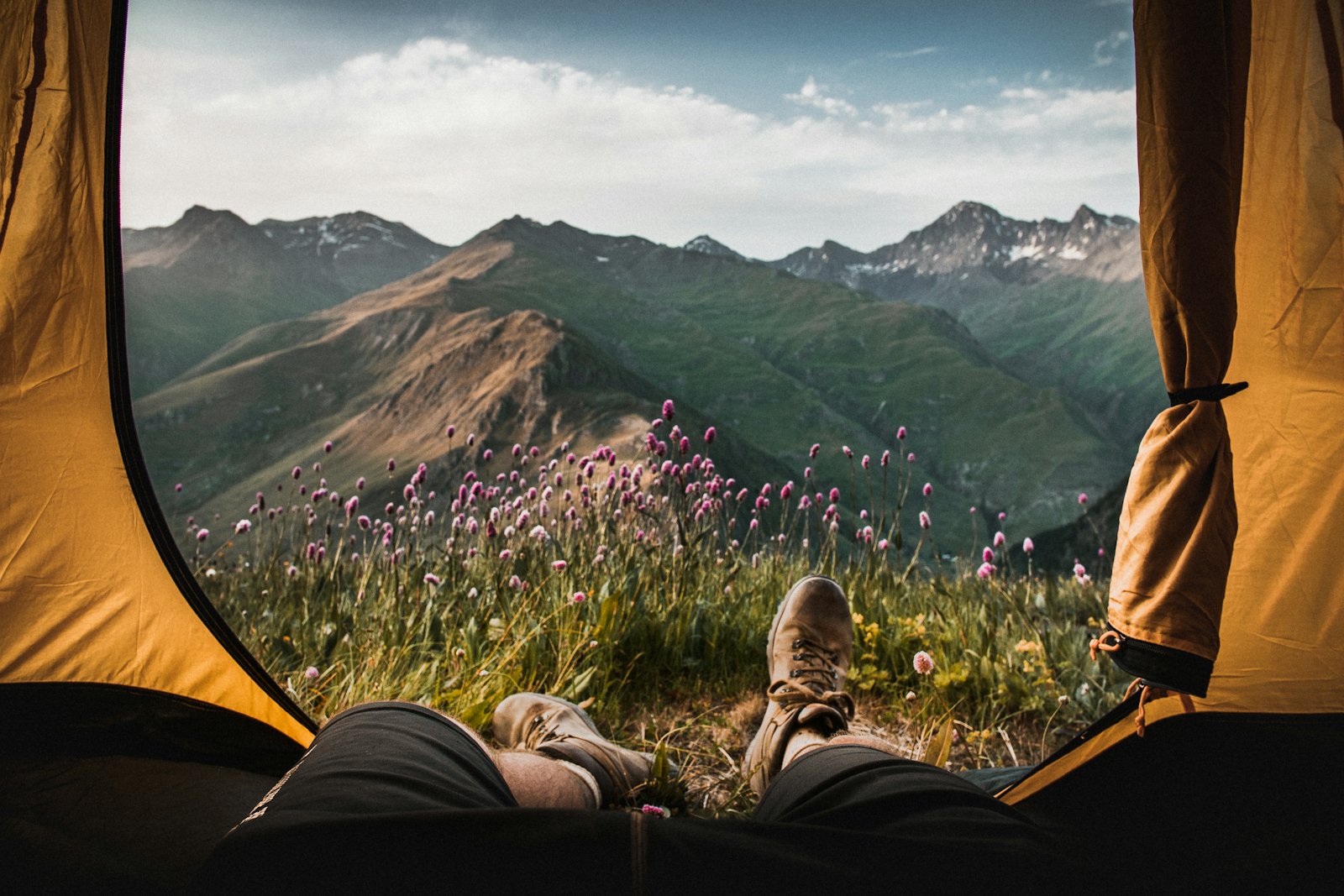
Here is the most useful fact in tent buying: a capacity rating is a maximum, not a recommendation. A ‘4-person tent’ means four sleeping pads touching, with no gear inside and nobody rolling over. Every brand calculates it the same optimistic way, ours included.
So subtract one. A rated 4-person is comfortable for three, or for two adults and two small children. A rated 6-person is comfortable for a family of four plus their gear — which is the size most families should actually buy.
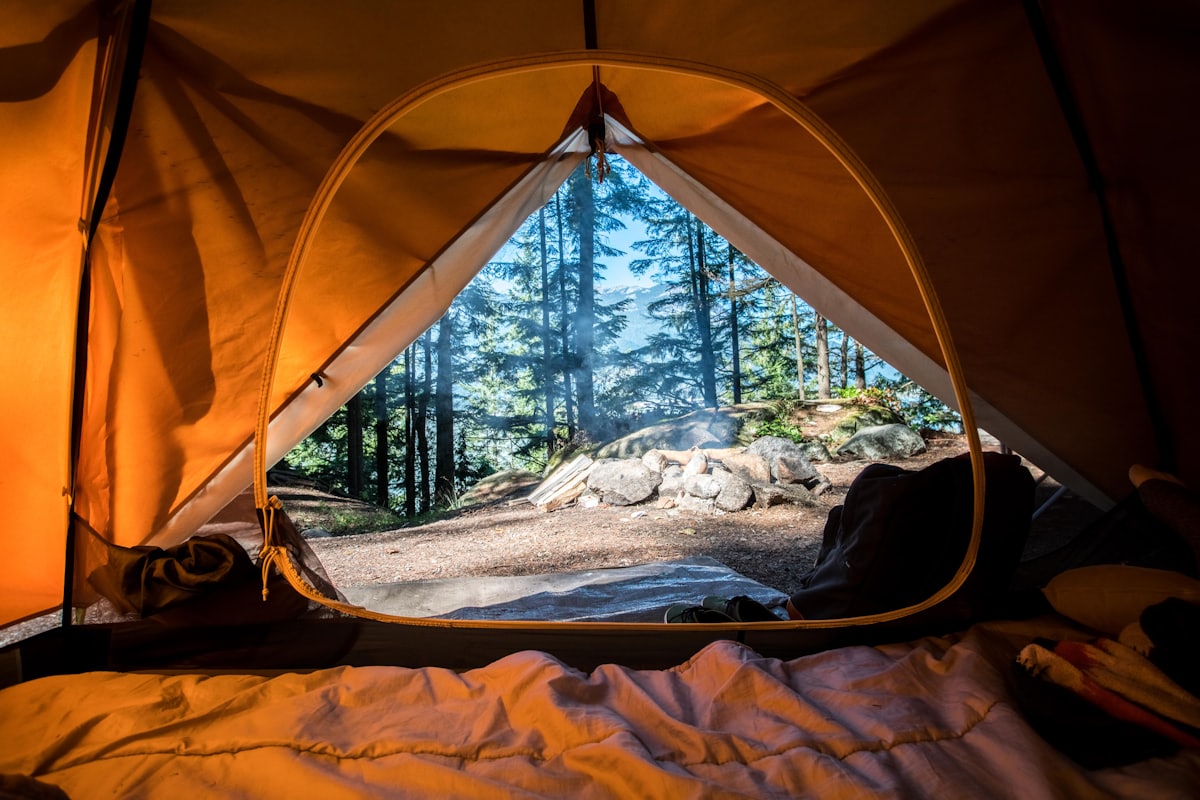
The other decision is shape. A dome sheds wind and rain better and pitches faster. A cabin has near-vertical walls and standing headroom, which matters on exactly one kind of day — the rainy one, with children in it.
And the honest bit: if you can borrow a tent for your first trip, still do that. You cannot tell what suits you until you have slept in one, and the money is better spent on the sleeping pad underneath you. We sell tents and we will still tell you that.
Sized for the group, not the box
- ClarionShelter 4P Dome — $139.99 — the safest first tent for most people
- ClarionShelter 6P Family Cabin — $199.99 — standing room; the size most families under-buy
- What size tent do you actually need? — the full sizing and spec guide
4Step four
The reason people are cold at night is underneath them, not on top
Air is a poor conductor of heat. Ground is a good one. Lying on cold earth pulls warmth out of you far faster than cold air does — and the half of your sleeping bag underneath you is crushed flat, with no loft left to insulate with.
So the order to spend money is: pad first, bag second, dry clothes third. A cheap foam pad underneath an inflatable one is the single best-value upgrade in camping.
On ratings, plainly: a sleeping bag temperature figure is a laboratory number from the manufacturer, closer to survival than to comfort. Expect to be genuinely comfortable about 10–15°F above whatever is printed on it. We label ours as manufacturer-rated for exactly that reason.
Then change into dry clothes you have not worn all day. It is free, and it is the most commonly skipped step.
The sleep system
- TrailNest Sleeping Bag — manufacturer-rated 35°F; plan for comfort in the high 40s
- ClarionSleep Camping Pillow — not a luxury — a bundled jacket compresses by 2am
- Solo Overnighter Kit — bag, pillow, headlamp and mess kit together
5Step five
You need three kinds of light. Almost everyone brings one.
This is the step that most changes how a first trip feels, and it is the one people skip.
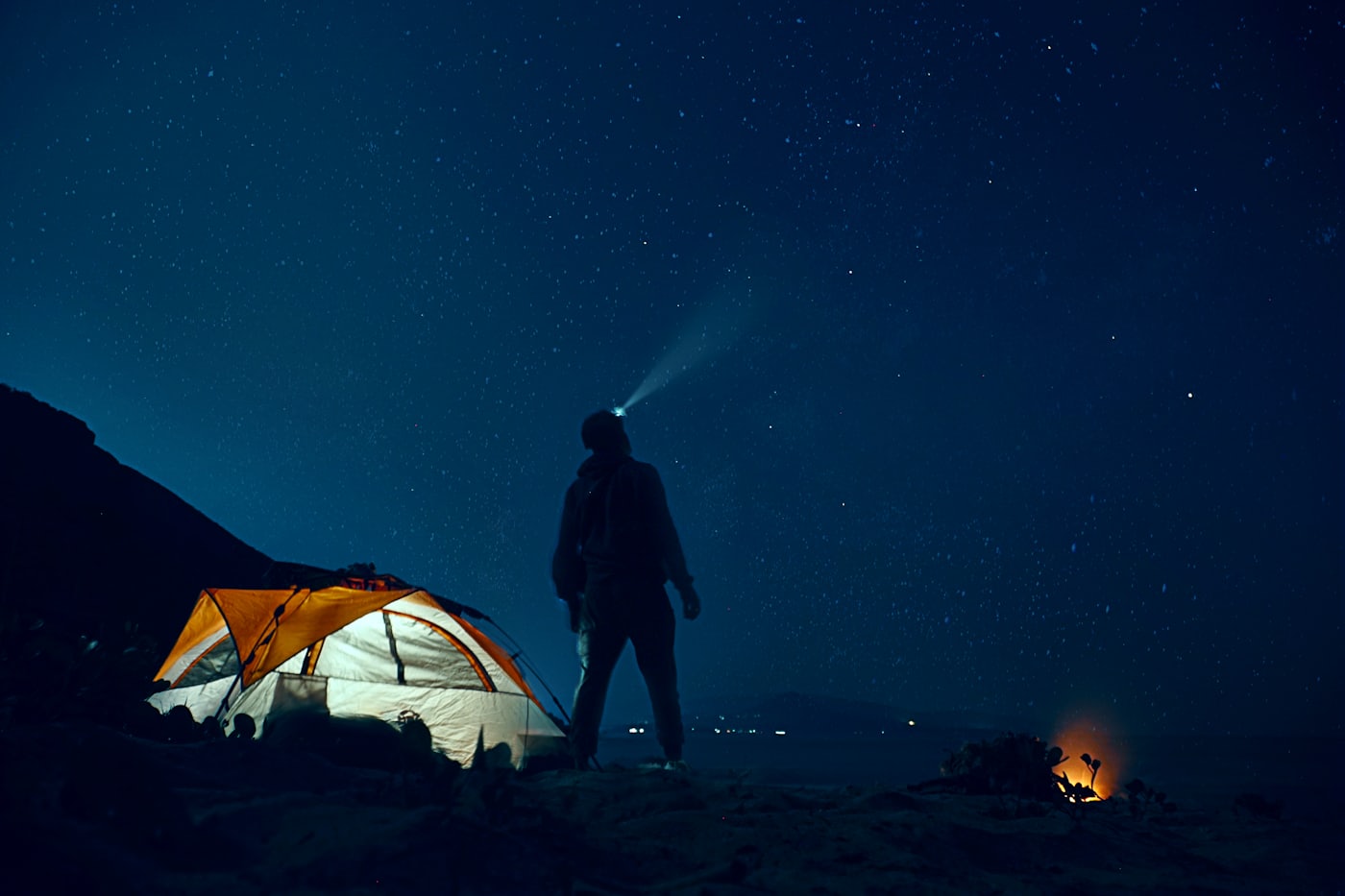
Personal light: a headlamp each. Hands-free, aimed where you look. One per person is what stops the whole group being tethered to a single torch — someone can cook while someone else walks to the toilets.
Area light: one lantern for the table, turned lower than you think. Bright light kills night vision and makes everything past the table feel darker than it is.
Ambient light: something low along the guy lines, so nobody trips and the tent is findable across a busy campground.
Switch to red light once it is properly dark. You will see more, not less — and you will be far less annoying to the site next door.
The lighting system
- ClarionBeam 350-Lumen Headlamp — one per person, red night mode
- TrailBright LED Camp Lantern — dimmable; the centre of the evening
- After Dark Kit — all three kinds of light plus a power bank, $24.96 off
6Step six
A camp kitchen is a workflow before it is a pile of equipment
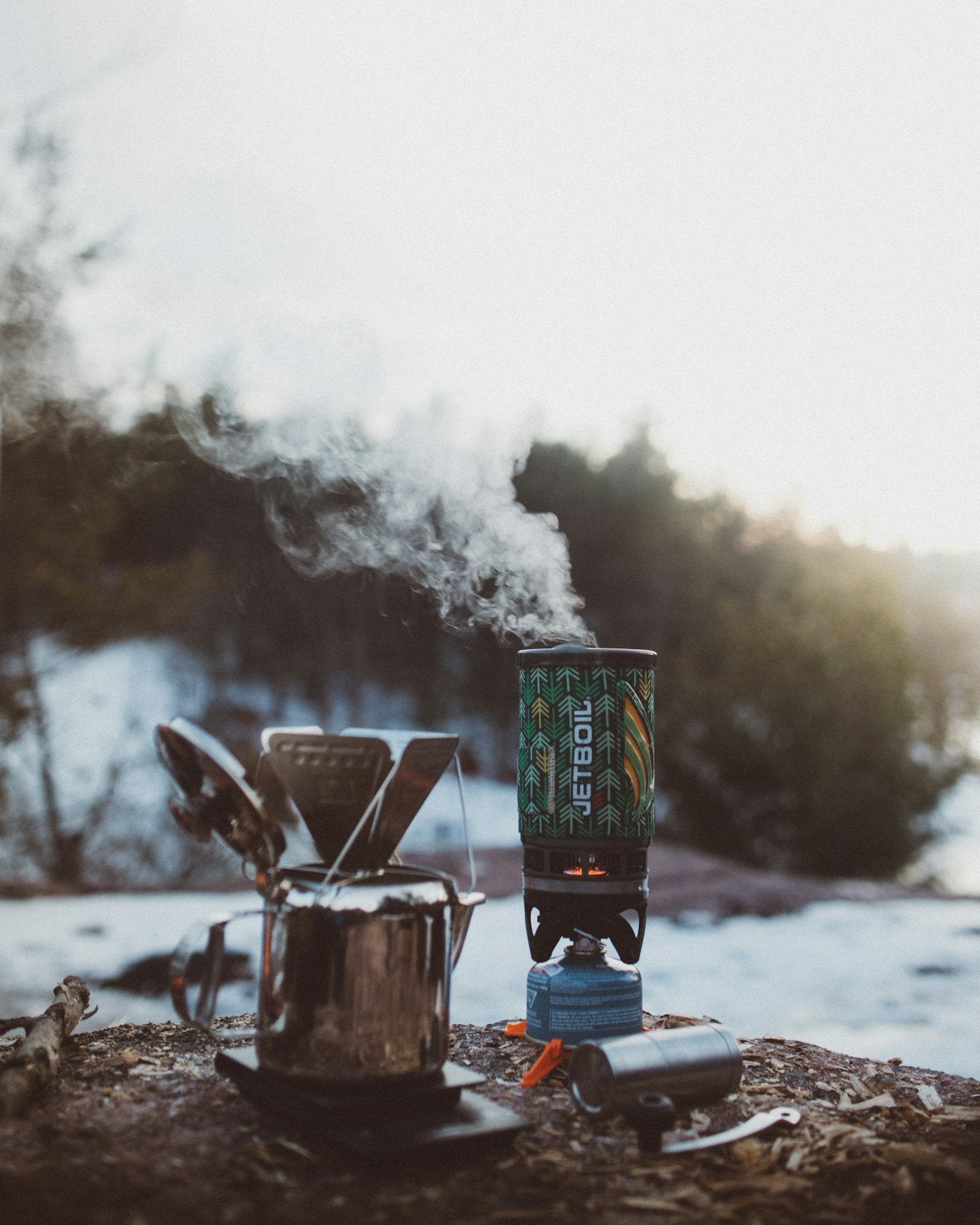
Four stations, laid out in this order: prep, heat, serve, wash. Nearly every camp cooking frustration is a missing station. No prep surface means chopping on your lap. No landing spot means a hot pan on the grass.
One burner is enough for two to four people if you plan one-pot meals — which you should, for the first several trips. Add the second burner when you have identified the specific meal you could not make.
Keep the first night dinner boring on purpose. Cook something you have already cooked at home. Hunger plus unfamiliar equipment plus fading light is not the moment for a new recipe.
On water: plan two litres per person per day for drinking, and roughly the same again for cooking and washing. If you are filtering, know what your filter does — ours removes bacteria and protozoa, not viruses, which is why we call it a filter rather than a purifier.
The one-box kitchen
- FieldKettle Piezo Gas Stove — packs to a fist; gas canister sold separately
- Summit Cookware Mess Kit — pot, pan, lid-plate — nests into one unit
- Twelve meals that actually work — patterns rather than recipes
7Step seven
The most underrated purchase in camping is a chair with a back
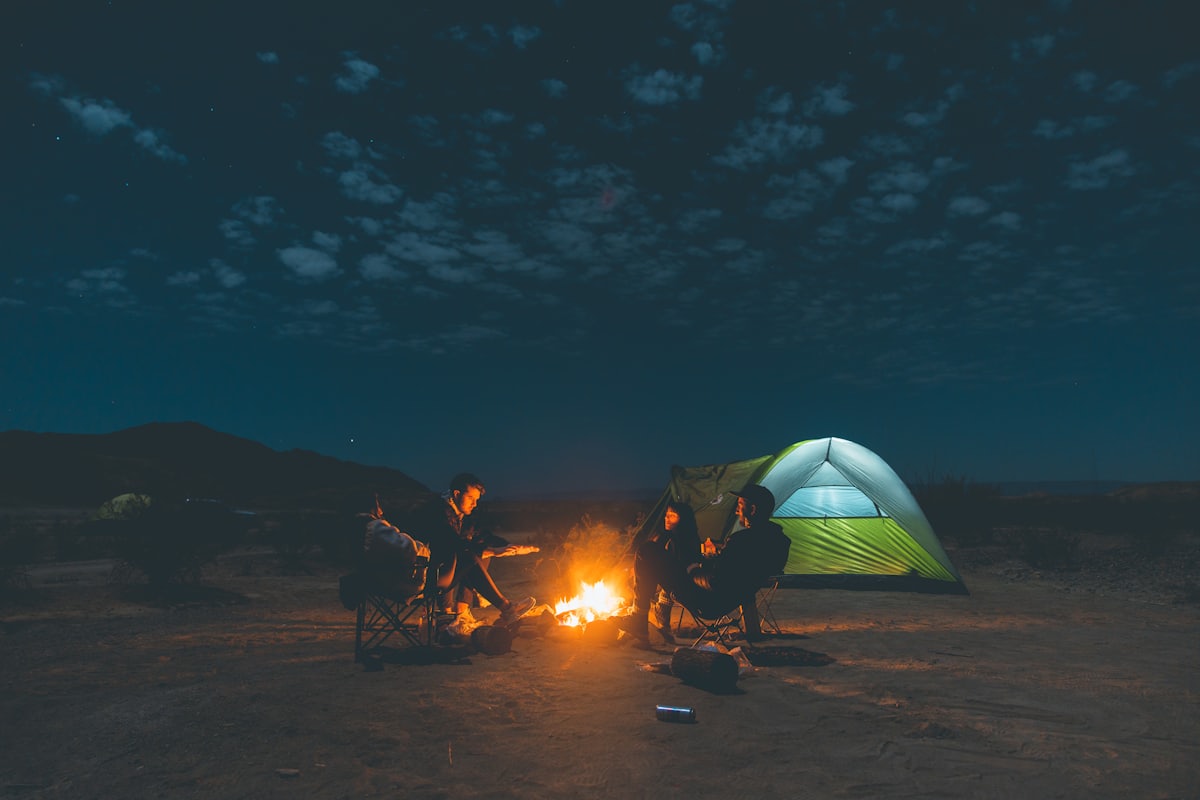
Here is the whole argument: a picnic bench with no back sends everyone into the tent by eight o clock. A chair with a back keeps the conversation going until ten.
That two hours is the reason people camp. It is the part your kids will describe to their kids. Nobody has ever driven two hours to set up a tent.
A folding table does the same job for the kitchen — it turns four cooking stations into an actual kitchen instead of a pile on the ground.
This is the category where car camping pays off. Weight does not matter when it never leaves the trunk, so buy for comfort and durability rather than pack size.
Basecamp comfort
- UltraRest Compact Camp Chair — manufacturer-stated 2.2 lbs, with actual back support
- RidgeLine Folding Camp Table — prep surface, dining table, card table
- Family Basecamp Kit — table, two chairs, lantern and towel, $36.96 off
8Step eight
The gear you hope stays in the bag — and the one who came along
A first aid kit only helps if everyone knows where it is. Not that you have one — where, specifically. Say it out loud when you arrive.
Bring a way to make fire that is not a single lighter. Bring bug protection appropriate to the season and to whoever is smallest. Leave a note of your plan with one person at home, even for a campground two hours away with full signal.
If a dog is coming: water beyond what you thought you needed, a long line so they can move without roaming, a paw check every evening, and something familiar to sleep on. Check the campground dog rules before you book — many US national parks restrict dogs to campgrounds and paved areas rather than trails.
And the rule to be boring about, said once on arrival with everyone present: nobody goes near the water without an adult.
The just-in-case shelf
- ReadyKit Emergency First Aid — 85 pieces, labelled compartments
- FireStrike Flint Starter + Whistle — sparks when wet, unlike a lighter
- Camp first aid: what actually happens — the ten minor injuries, and prevention

9Step nine
So what do you actually buy? Less than you think.
The honest minimum for one weekend is: a tent, a sleeping pad, a sleeping bag, a headlamp each, a lantern, a stove, a pot, and somewhere to sit. That is it. Everything else is comfort you can add later — and if you can borrow the tent, borrow it.
Go twice. Then, on the drive home, write down the three things that most annoyed you — not the worst moments, the most annoying ones. That list is a far better shopping list than anything you could guess at now, and it will be short.
Most people who camp for years own less gear than people who camped twice.
If you would rather not assemble it piece by piece, each of our kits is a shortlist for one specific kind of trip, priced below buying the pieces separately. And if none of them fits, tell us the trip and we will build you a list — including the parts you can skip.
Start where you actually are
- Weekend Essentials Kit — $84.99 — the five small things people forget — not a full setup, $38.96 off
- Compare all nine kits — families, couples, solo, after dark
- Or just ask us — tell us the trip; a person replies
The rule from step two, done for you
What time do you have to leave?
Be parked two hours before sunset. Tell us roughly where you are going, the date, and how long the drive is — this works out the rest.
This planner needs JavaScript. The rule it applies is simple enough to do by hand: find sunset for your date, subtract two hours to get your arrival target, then subtract your drive time plus 45 minutes. That is when you leave home.
Sunset is calculated in your browser from the date and location, not fetched from anywhere. Nothing you type here is sent to us or stored.
You have read the guide
Now pick the trip you are actually taking.
Each of these is a shortlist for one kind of weekend, priced below buying the pieces one at a time.
Never done this
First time out
The five small things first-timers forget. You will still need a tent and a sleep system — step three and step four above say which.
Weekend Essentials Kit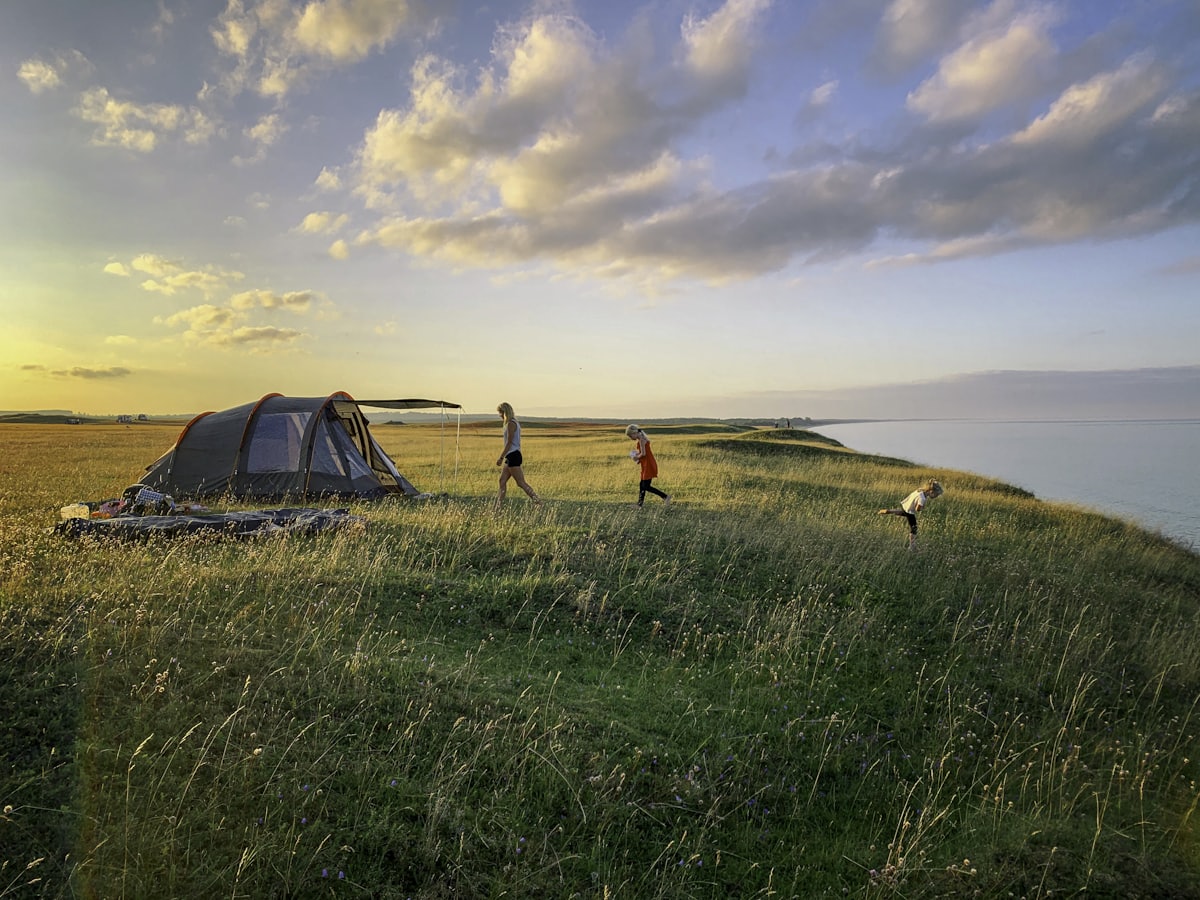
With the kids
Family with children
Room to stand up on a wet day, a light each, warmth underneath. Most meltdowns trace to one of those three.
Family kits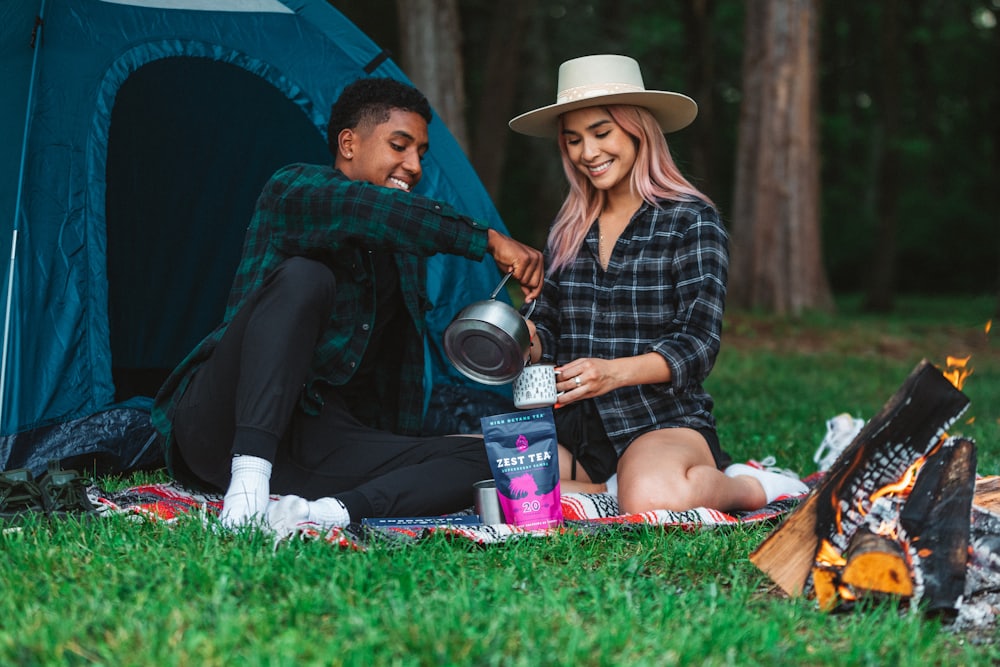
Just the two of us
A weekend for two
Less than you think and better than you expect. Soft light and something hot to hold.
The Two of You Kit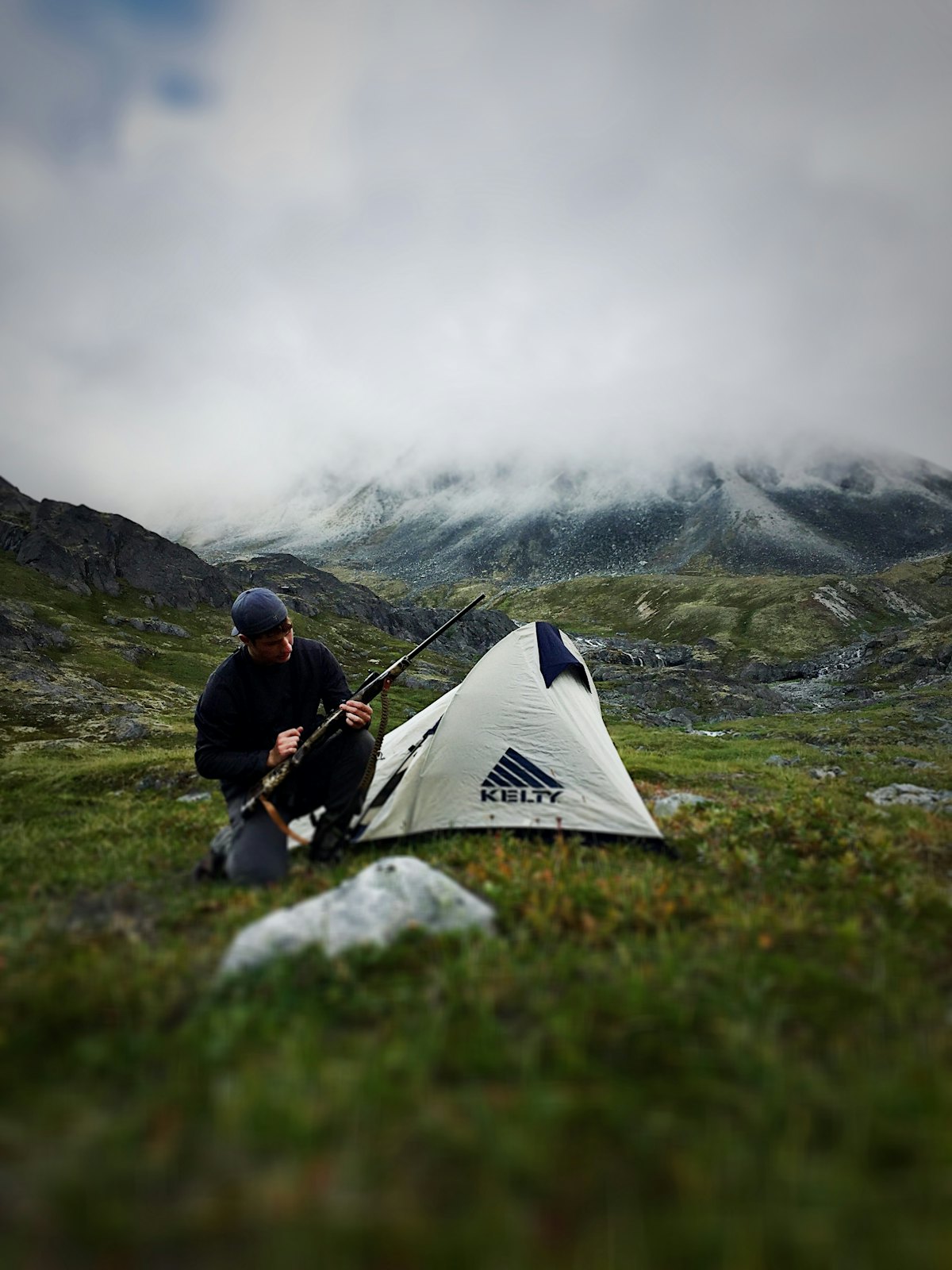
On my own
Solo overnight
The smallest complete kit we sell. Sleep, light and a hot meal, nothing borrowed.
Solo Overnighter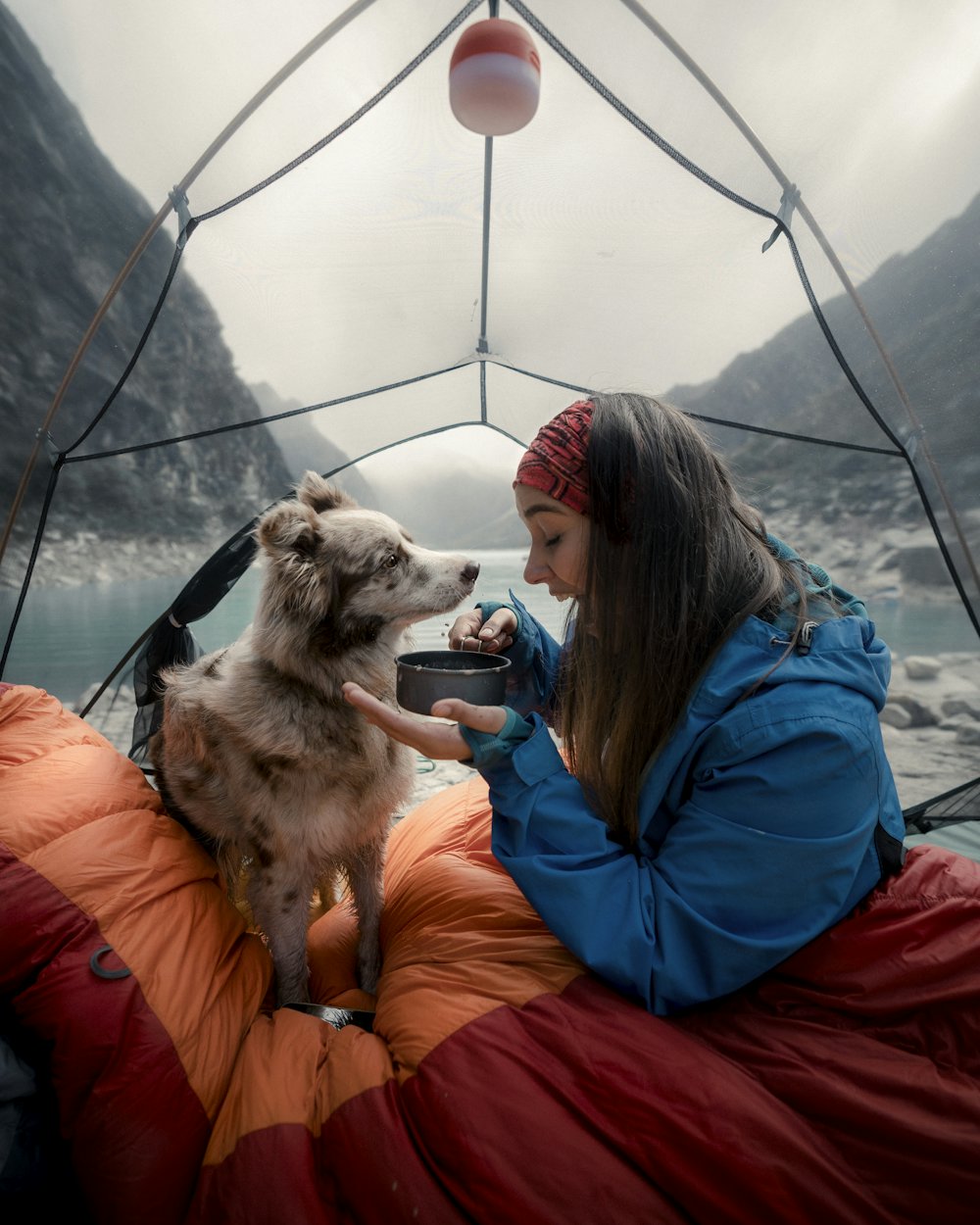
Bringing the dog
Me and the dog
Water beyond what you planned, a long line, and a paw check every evening.
Pet campingStill not sure? Tell us where you are going and who is coming — we will send back a list, including what you can skip.

Take it with you
Want this as a checklist you can open at the campsite?
We will send the Clarion Camp Checklist as a single email, plus a note whenever a new field guide goes live. The checklist stays free on the site either way.